Lessons from Kurdistan:
How a workshop for location professionals became an
unexpected lesson in place, people and history
by Andrea Keener/LMGI
All photos by Andrea Keener/LMGI
The most powerful life lessons often come from unexpected places at unexpected times—especially when you are the educator, instead of the student.
The most powerful lesson I ever learned came to me in Kurdistan—from a group of filmmakers I was supposed to be teaching. It arrived quietly, carried on maps, scout photos and the simple act of someone opening their door and saying, “Come in.”
Education and teaching have always been a calling for me. I feel strongly that sharing thoughts and ideas with other colleagues makes us smarter and our profession stronger. Sometimes for me, this manifests in organizing small two-hour classes at my local union hall on scouting and mapmaking or the ethics and etiquette of location management or building multiday seminars to take to professionals a world away. Long before I imagined a career in the film and TV industry, as a teenager I was teaching swimming and horseback riding lessons. If not for my need to be more outside than inside, and on the go, instead of at a desk, perhaps I would have made a decent schoolteacher. However, here I am.
Most of us working in the wild and wonderful world of location management are by nature, curious people. If asked to go to a distant city or foreign land, one in which you may need to consult a map to see where it is, I’d bet most of us would say yes—then look at the map. Such was the case last November when I was asked by the LMGI to go to Kurdistan to help teach local filmmakers about location management. I said an enthusiastic yes! Then I looked at the map.
Kurdistan—not Kyrgyzstan, not Kazakhstan, not even Kiribati, but Kurdistan. Go ahead, check the map. I’ll wait.
Kurdistan is the semiautonomous area in northern Iraq, bordering Syria to the west, Turkey to the north and Iran to the east. The history of Kurdistan is layered and complicated, with conflict, displacement, war and genocide. Kurdistan also has a rich tradition of literature, poetry, music, cinema and dance. Researching the region, the culture and the people prior to my Kurdish adventure was overwhelming. I wanted to learn all I could, and I quickly realized it would take years to even scratch the surface. Lucky for me, there was not going to be a test.
OK—we are done with our geography lesson for now—back to filmmaking and location management.
Along with my colleague, LMGI President John Rakich, we divided up tasks and got to work creating a course on the ins and outs of professional location management. I had the benefit of creating a similar curriculum several years back with fellow LMGI member Kim Davis, which we brought to filmmakers in Jordan in 2023. So, John and I weren’t starting from scratch, but we built on past experience and a tested outline to improve. With oceans between us—time zones and paid gigs taking priority—we managed to build a four-day curriculum. It could have easily been 14 days.
The Kurdistan Film Commission Slemani is the brainchild of Bavi Yassin. Director of the Film Commission, she is a force of nature contained in a five-foot frame. Bavi single-handedly convinced the Kurdistan government to create a film commission after 10 years of meetings, economic studies and sheer perseverance. Working with her and her team was a dream. They brought together local filmmakers—ADs, producers, location managers, directors—a diverse group eager to exchange ideas and learn new ways and techniques for getting the job done. Our classroom was intimate and perfect for focused conversations and debate on why, how, when and where. These conversations were only made possible with the help of our intrepid translator, Mohammad.
“For me, the most powerful lesson is that not only are we storytellers, but we are also history keepers. Beyond our immediate work as location managers in the entertainment industry, we are recording history. We capture places in time with our photos, our maps, the connections we make and the people we meet…” – Andrea Keener/LMGI
The program started as you would start any new show: reading and breaking down the script, research, logistics and what may or may not be feasible at any given location—and don’t forget the art of how to communicate good and bad news to directors and production designers. We explored scouting techniques and mapmaking, as well as the ins and outs of getting a large-scale production into the most complicated locations. We had lively conversations about what may be expected from the Location Department and our responsibility to the crew. John and I shared forms that each of us has used over the years to help us communicate effectively to the production, as well as our budget, map and memo templates. And what seminar would be complete without a fun, colorful PowerPoint presentation? Well, we had one of those, too.
Now, I’m not sure about you, but I think we often make things harder than they need to be. Perhaps it’s our need to cover ourselves that we have backups to backups for locations and ways to ensure all the information is disseminated appropriately and on time. Going above and beyond to craft those layers add to a heavy workload, on top of what production already expects. When the participants shared that in Kurdistan scout photos, call sheets, maps—really, they just share addresses—are all shared with the director, producers and the entire crew via WhatsApp, I had to pick my chin up from the floor! I don’t advocate for this on most productions but maybe close your eyes and consider it for a moment. If you don’t break out in hives or feel a panic attack starting, maybe try it on your next production. Let me know how that goes.
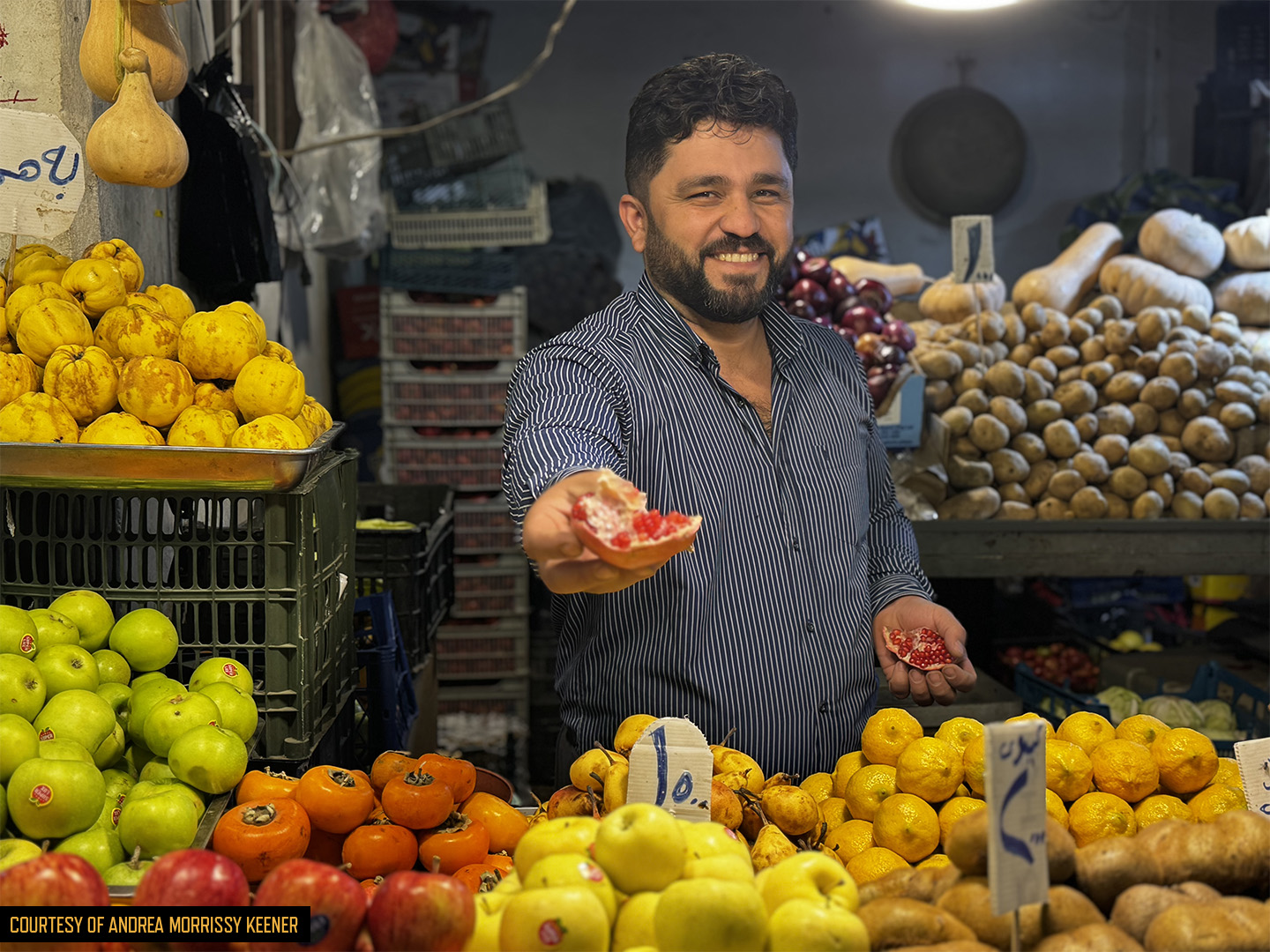
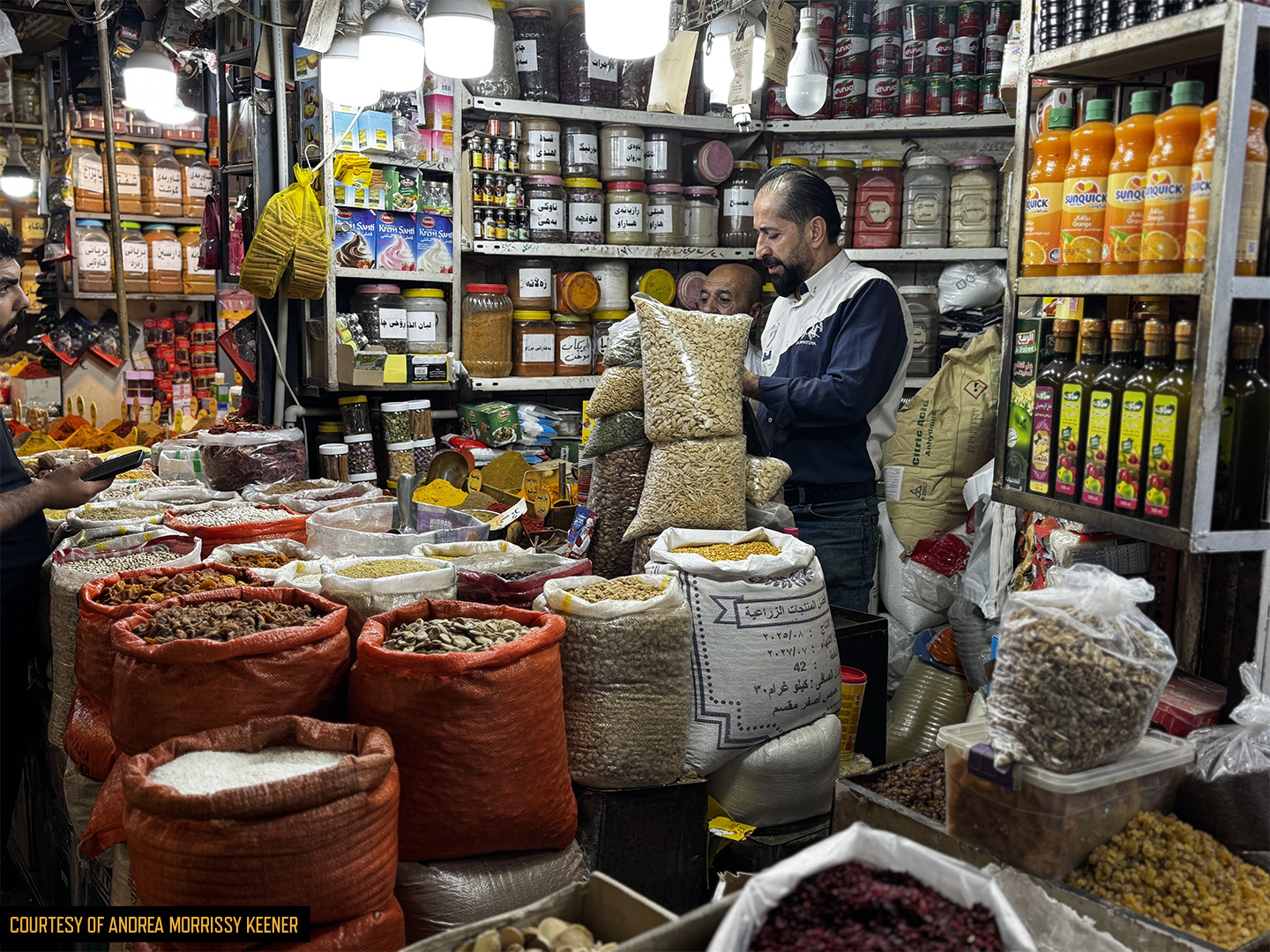
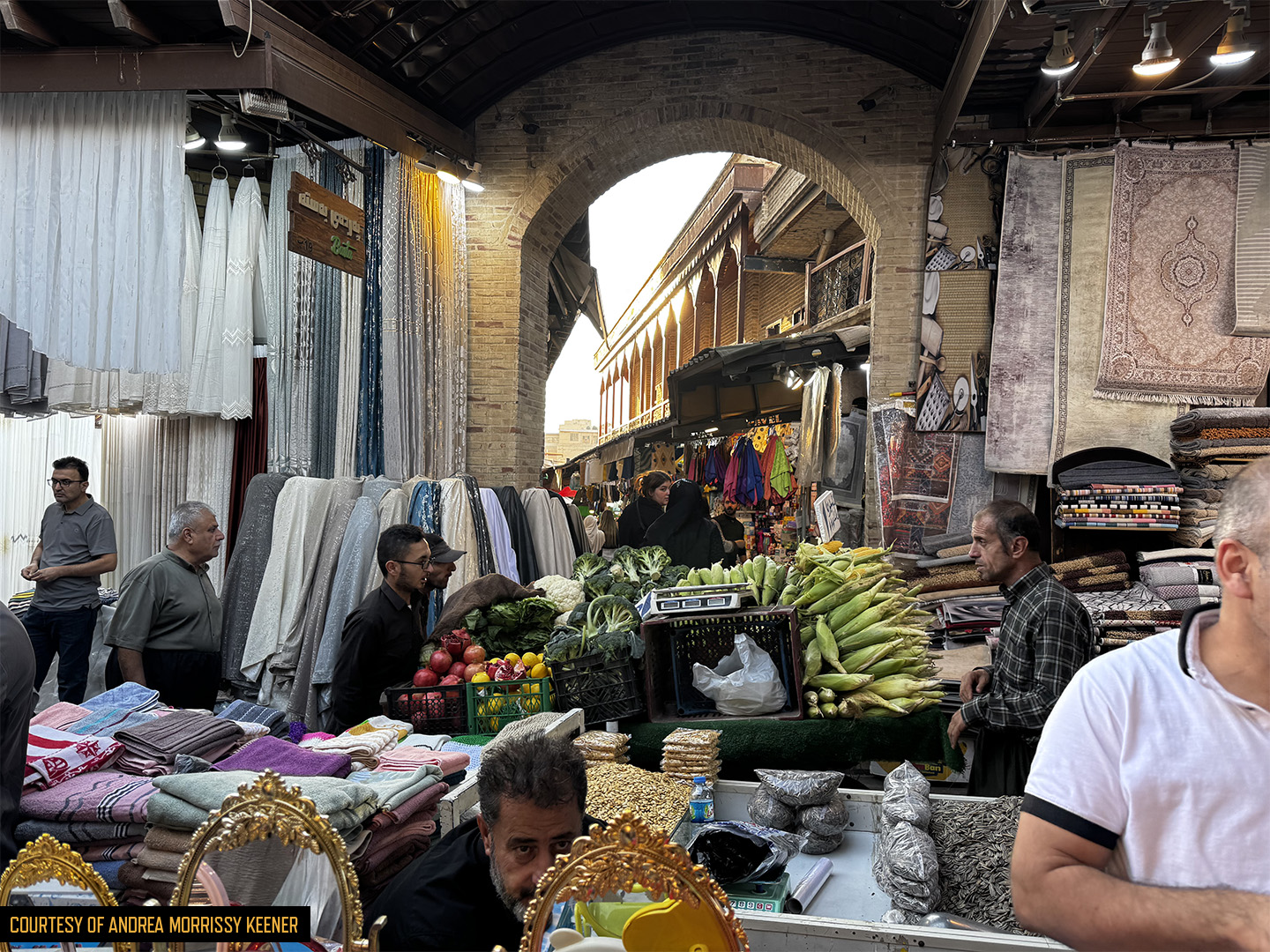
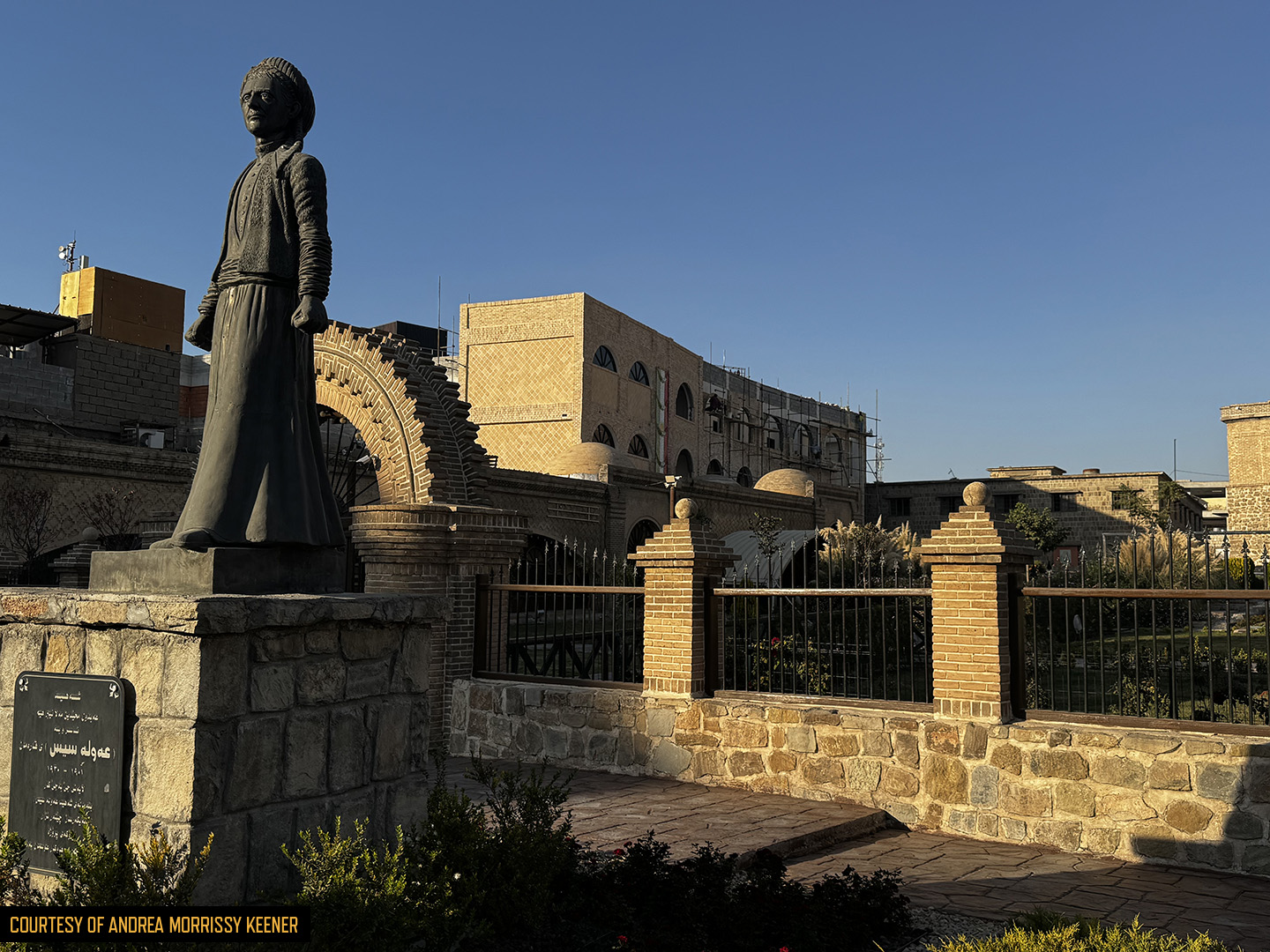
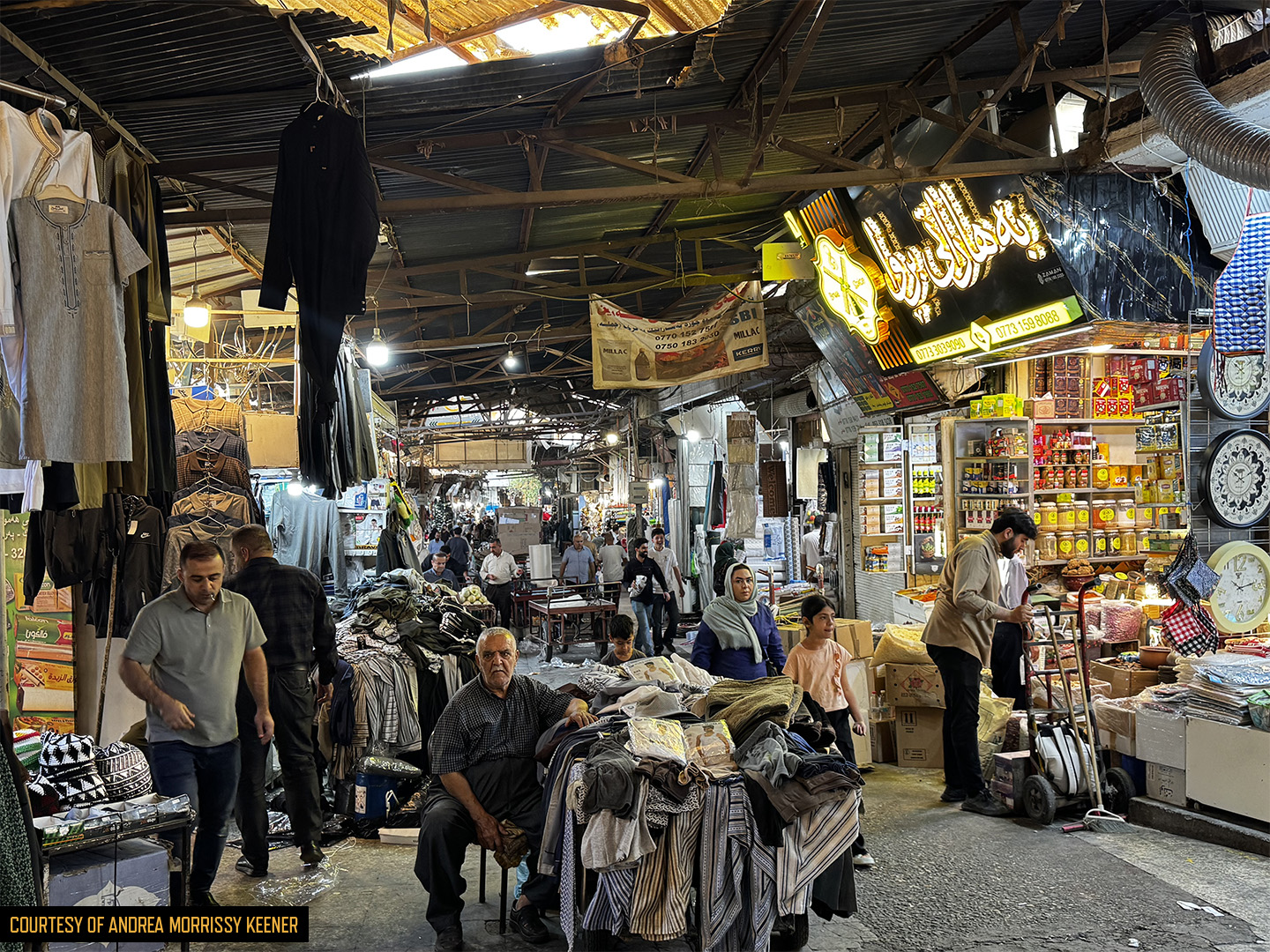
Enough of the classroom. Time to get out and scout! The city of Slemani—the Kurdish spelling—or Sulaymaniyah, as it is spelled in Arabic, and the Kurdistan Region writ large, offered many diverse options for scouting. We took full advantage! Everywhere you look, the landscape and environment were rich with color and light. From the bazaar to the mosque to the teahouse where Bavi’s father, a local poet and celebrity, would frequent. Every small alley led to another hidden gem. I could envision scenes being filmed in every nook and cranny. One teahouse on a little backstreet in particular was begging to be the main character in a film. It was all so magical.
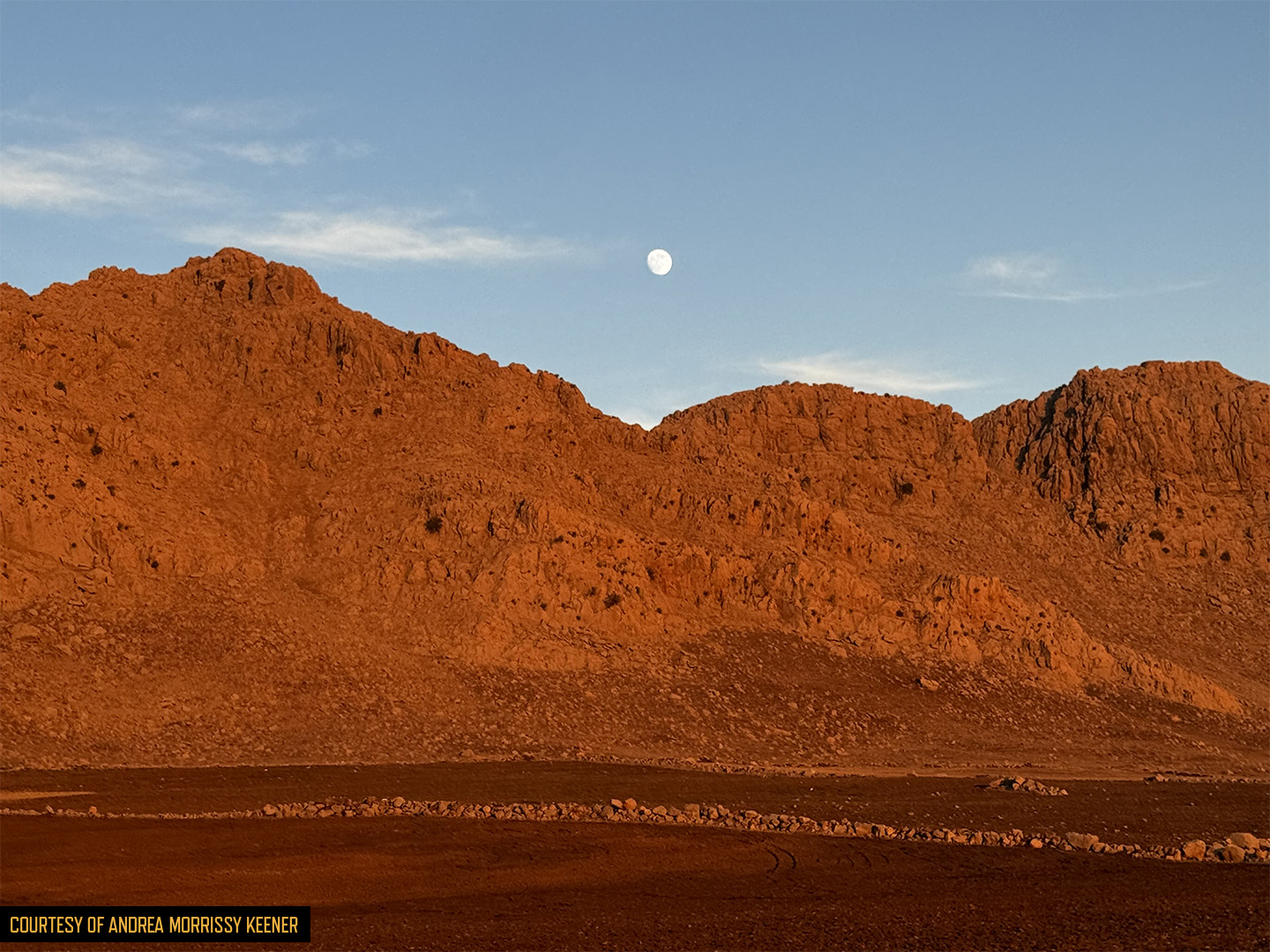
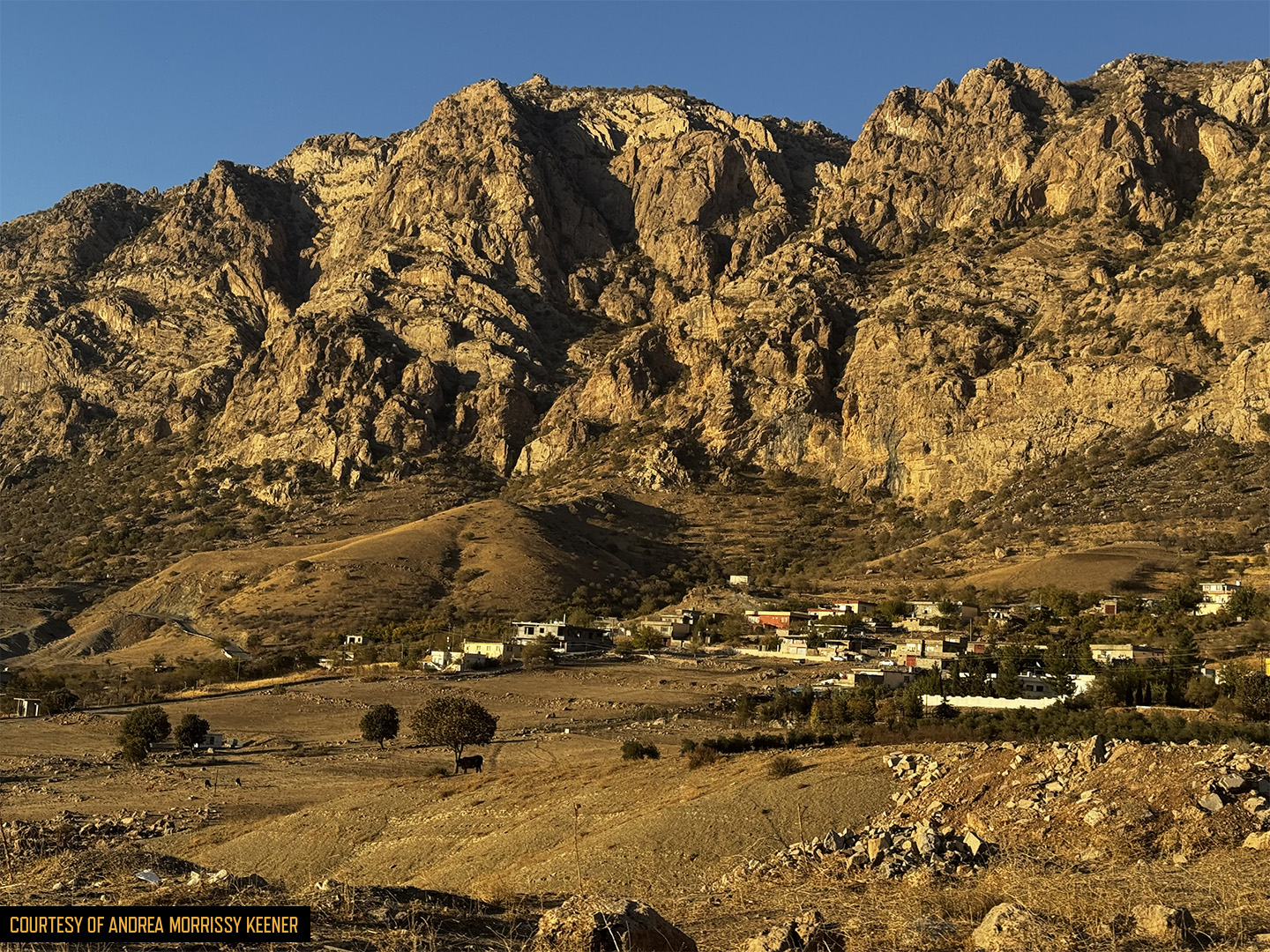
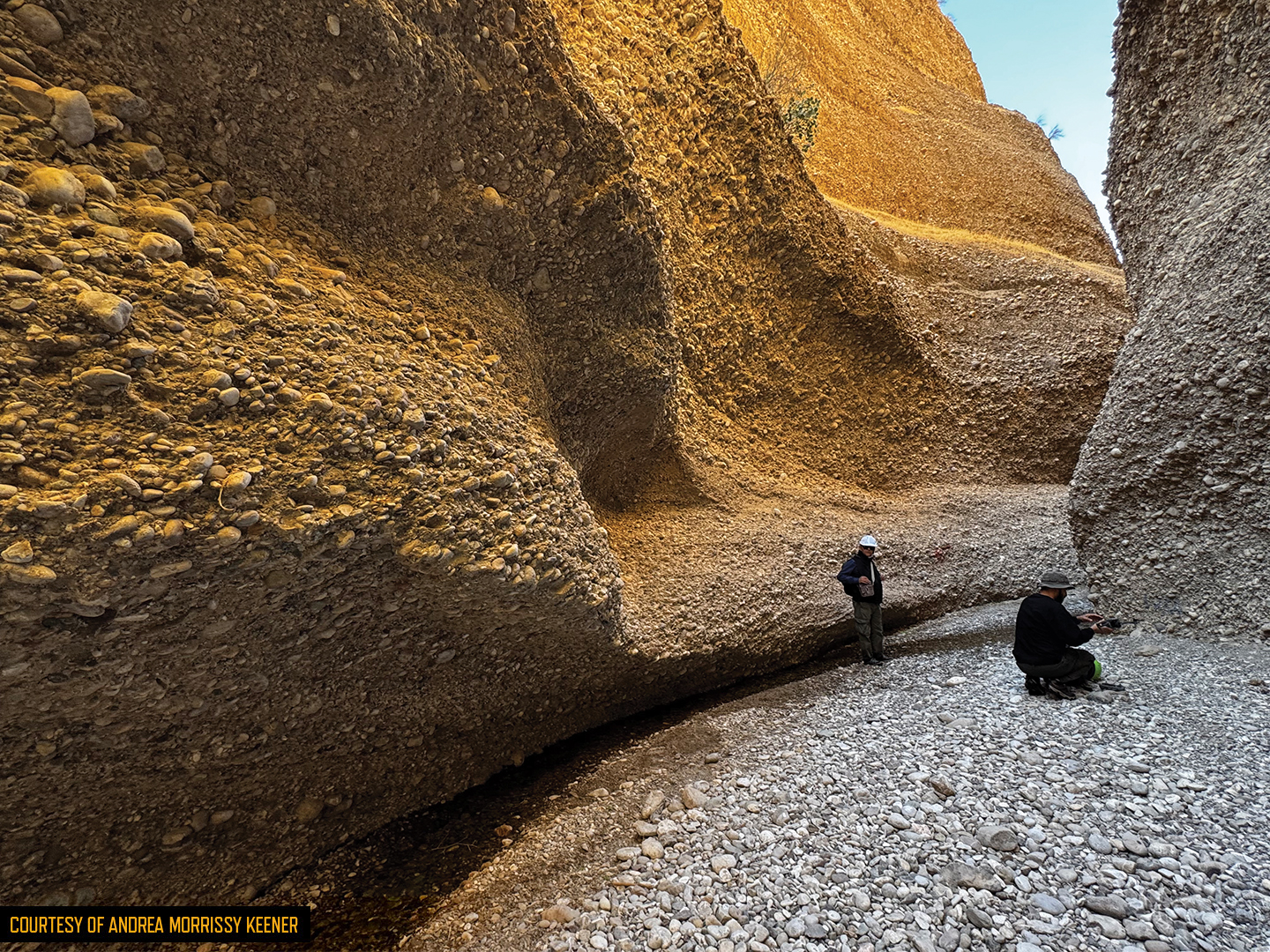
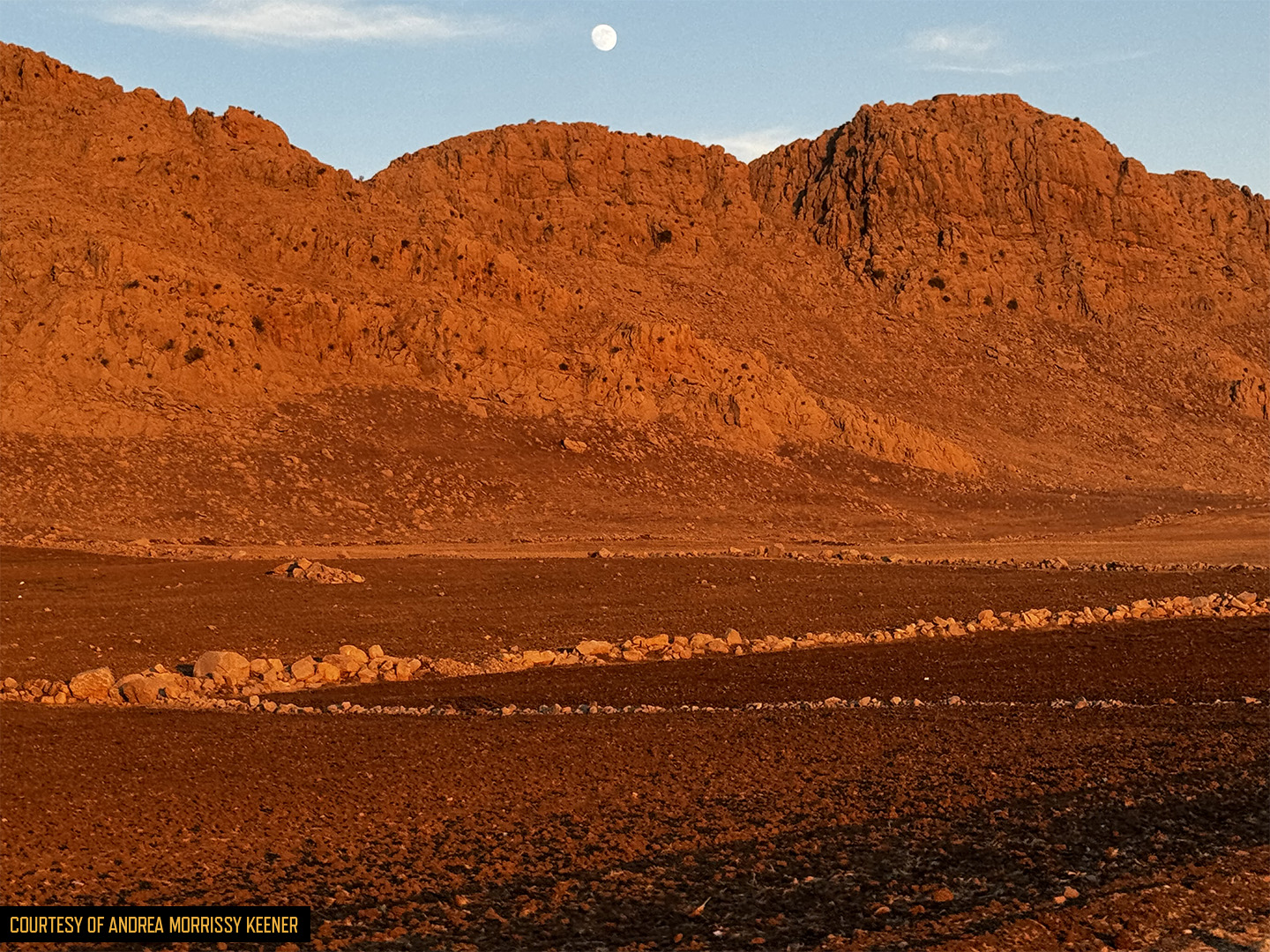
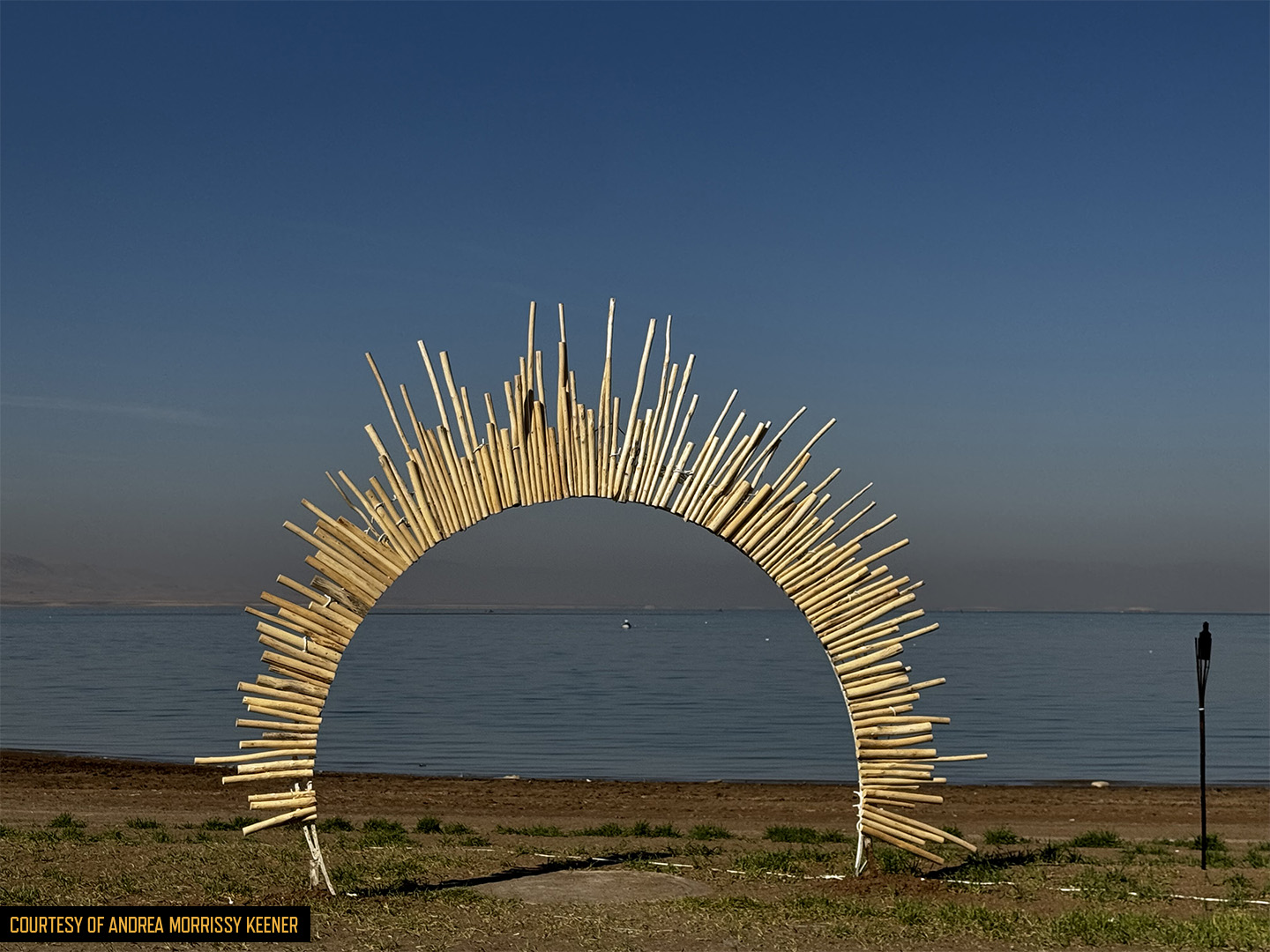
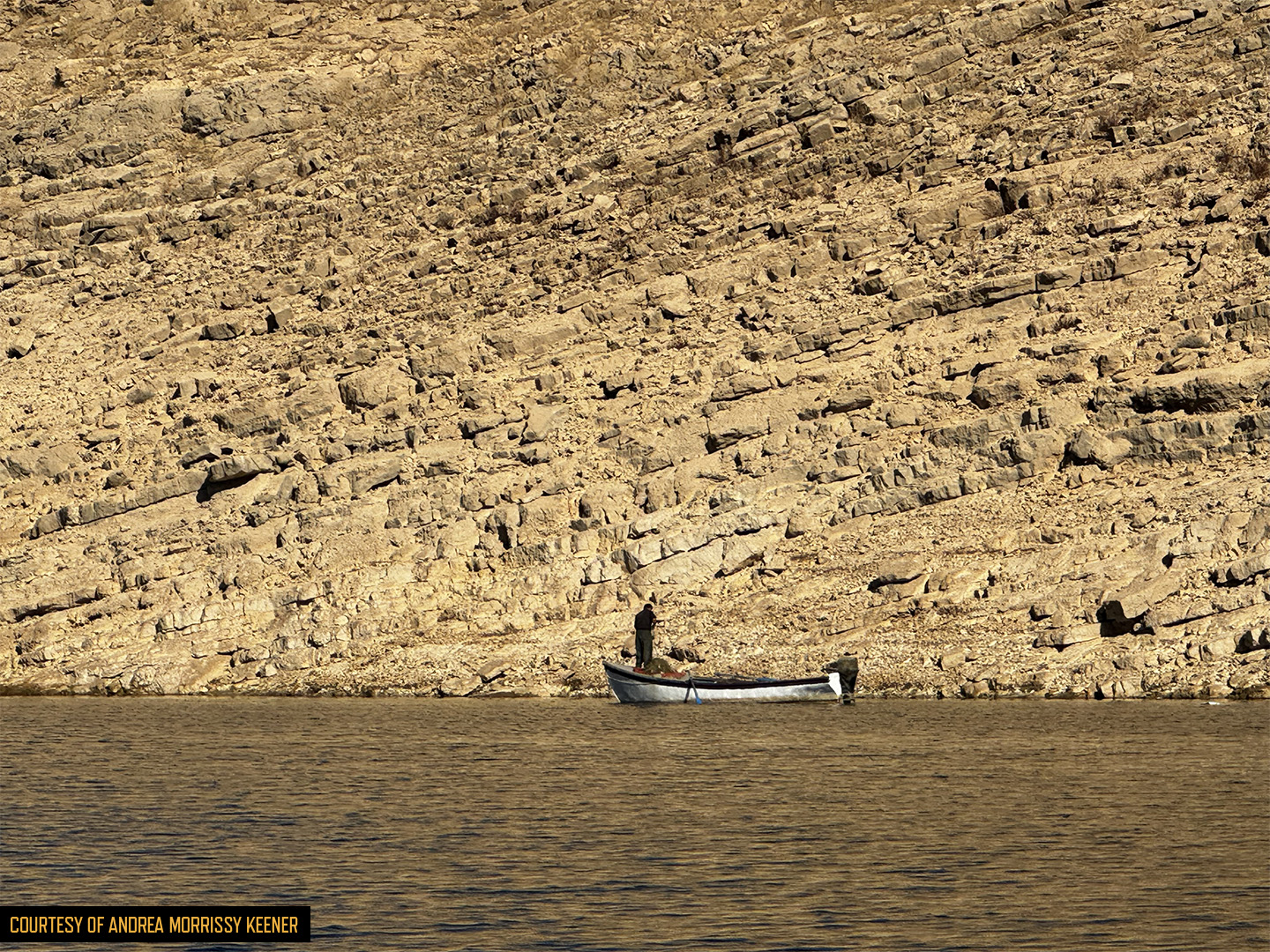
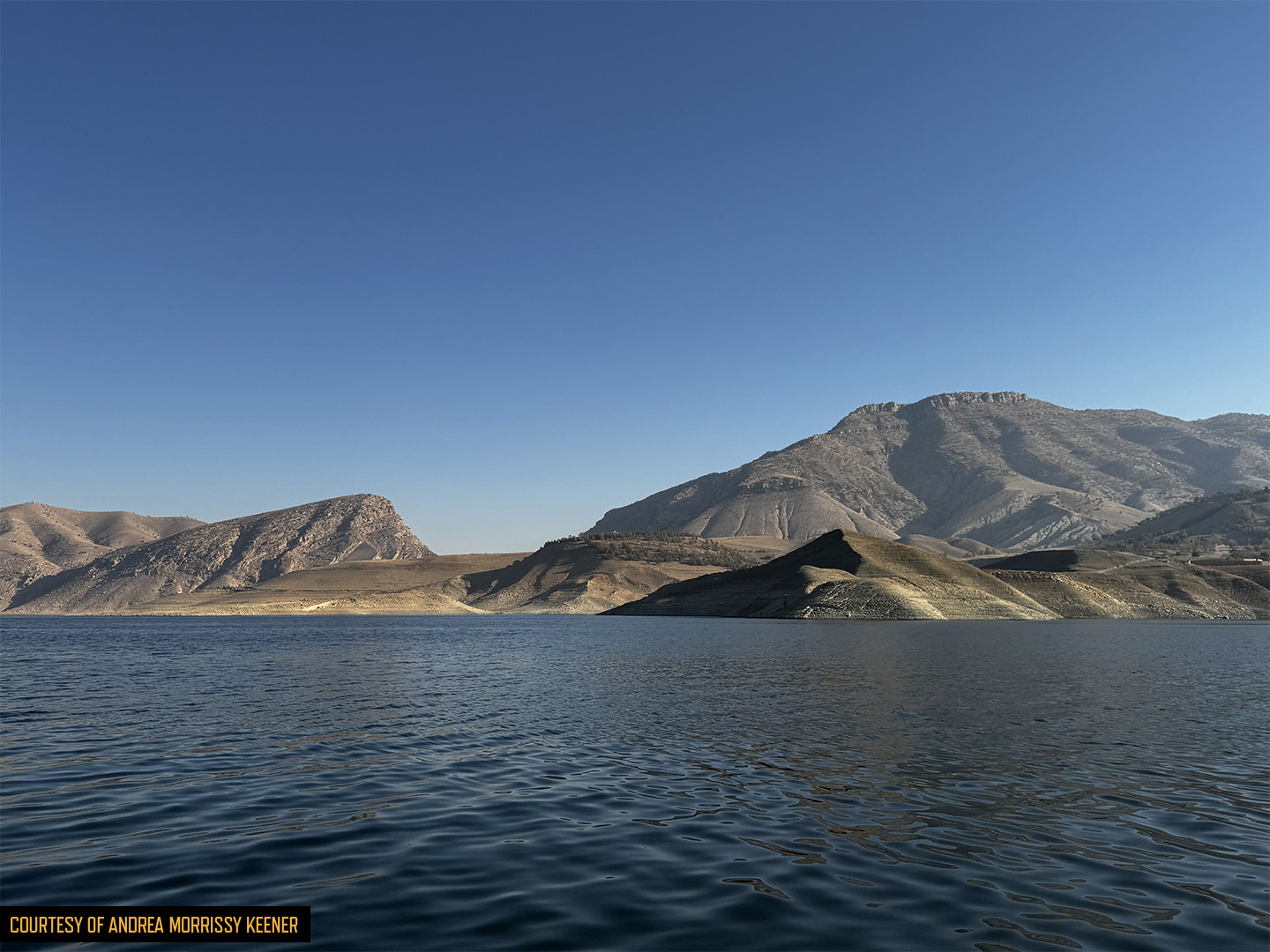
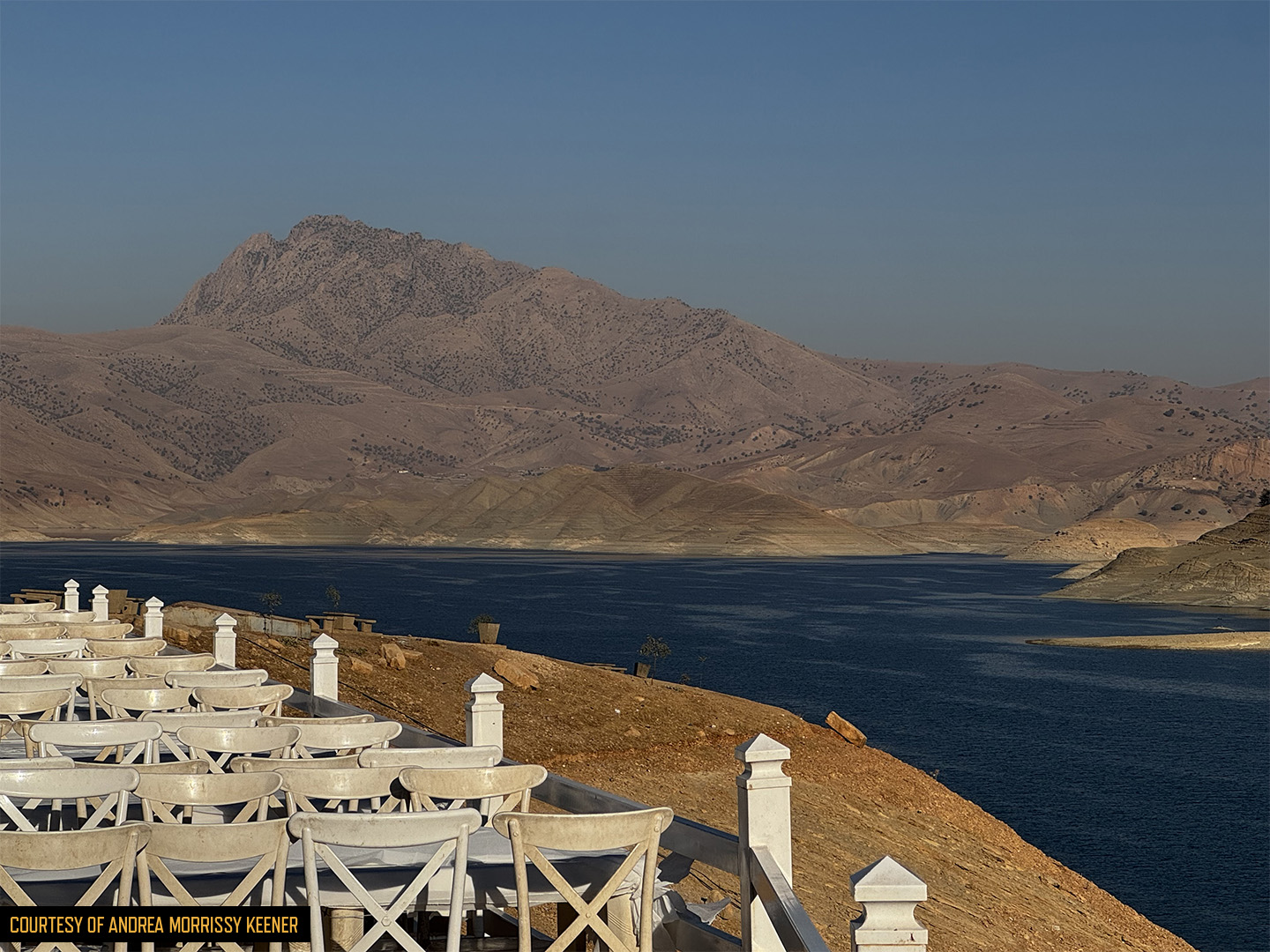
Now, out of the city and into the countryside. Some would say we were well outside “the zone.” Kurdistan offers many varied landscapes for distinct and unique locations. There were lush and fertile valleys surrounded by craggy, towering mountains. We scouted lakes, villages, roadside pomegranate vendors, hippie festivals and encampments set up on beaches. Oh—and then we uncovered floating coffee houses in the middle of Dukan Lake. Picturesque white towers dotted along mountain ridges turned out to be lookouts on the border overlooking the country to the east, Iran. Each site we visited offering a myriad of opportunities for creativity and storytelling.
As we scouted, we walked and talked with the participants, realizing that each of them is as passionate about their work as John and I are. Some participants were creating stories and scenes on the spot to film in any given location in which we were standing. Other participants shared stories about projects in spaces where they had already filmed. Agility was also the name of the game as we scouted through the crowded bazaars, dodging and weaving through people and goods for sale, as well as hiking up craggy mountains and steep sidewalks and up onto rooftops to get a look at the valley below. iPhones became cameras, as larger, more cumbersome cameras were merely excess baggage. As we scouted, we shared techniques, tools and ideas for how to do our jobs better, more efficiently and to help tell the story better. The organic nature of teaching and learning was yielding results.
Of all the fabulous options to film—the places we scouted and ideas shared—I would say the most impactful aspect was the Kurdish people. Their generosity and hospitality were overwhelming. It became a joke that if I complimented something, that item quickly turned into a gift. An offhand comment about a glass jar on a windowsill filled with bright orange marigolds led to me carrying the bouquet back to the hotel, like a May Day flower girl. The Kurds opened their doors freely to us, offering tea and respite, restrooms and fruit—whatever need was sensed and then some. This kindness, seemingly second nature among the Kurds, was another unexpected lesson in humility and gratitude. It makes us all think—as location managers—whether a simple knock on our backdoor would garner the same warmth and openness.
John and I were tasked with teaching local Kurdish filmmakers how and what would be expected if a large-scale Western production came to Kurdistan. In the end, our time together became an absolute sharing of processes, thoughts and ideas—less teaching and more cultural exchange.
And now, as I write this, the United States and Israel are weeks into a war with Kurdistan’s neighbor, Iran. Bombs are dropping in the region. Iran is retaliating against the Iranian and Iraqi Kurds. My new friends and our fellow filmmakers in Slemani are caught in the middle. They have worked so hard to make their country and people safe, and to show the beauty of the region and its possibilities. Now the Kurds have been dragged into a war they did not want and that has nothing to do with them.
For me, that afternoon in Slemani taught me something no script, no call sheet and no studio office ever could. For me, the most powerful lesson is that not only are we storytellers, but we are also history keepers. Beyond our immediate work as location managers in the entertainment industry, we are recording history. We capture places in time with our photos, our maps, the connections we make and the people we meet—much like location managers and scouts in Los Angeles did after the Altadena and Palisades fires in 2025. By sharing photos of homes that were lost, they were able to help homeowners in the recovery and rebuilding process. As Kurdistan is quite literally caught in the middle of a war, the photos taken months ago will serve as historical documentation of places that may cease to exist. We may not have the opportunity to visit this area and the mystery and majesty it contains again. Slemani and Erbil, Kurdistan, are now under attack, and I am certain our colleagues who shared those four days with John and me last November are out there, taking pictures and recording these places and these latest events. This is their history.
I often say I have the best job in the film industry—and I still believe it. But at this moment, with these photos in hand, our job feels a little heavier and perhaps a little more important. It is not just about finding the right place for the camera; it is about bearing witness to the places that must not be forgotten.
For further information on filming in Kurdistan, please visit Kurdistan Film Commission Slemani