

Into the Hinterlands: Building Eddington
in Truth or Consequences
by John Lucas/LMGI
All photos by John Lucas/LMGI unless otherwise noted
I recently had the pleasure of scouting and location managing the controversial drama Eddington, filmed in my home state of New Mexico. Writer-director Ari Aster, also a New Mexico native, wanted to ground the story in the region’s distinct architecture and landscapes. In the fall of 2023, Ari, production designer Elliott Hostetter, cinematographer Darius Khondji, producers Lars Knudsen and Ann Ruark and I began scouting small towns across the state.
After a multiday tour, we returned to Truth or Consequences, NM—a small desert town known for its hot springs district and quirky storefronts. I had first visited it a decade earlier and immediately recognized its cinematic potential.
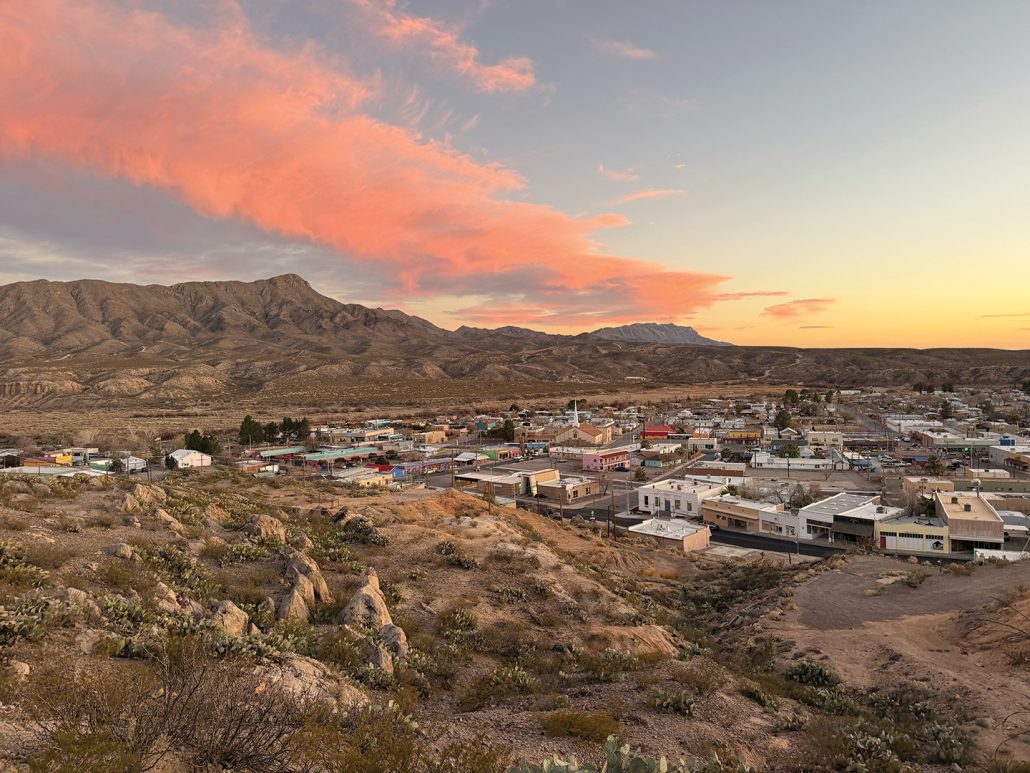 Set in May 2020, at the height of the COVID shutdowns, Eddington required a town that could feel completely still—no traffic, no parked cars, no movement. Truth or Consequences delivered. We diverted highway traffic and gained control of 10 consecutive empty blocks, creating a striking sense of absence.
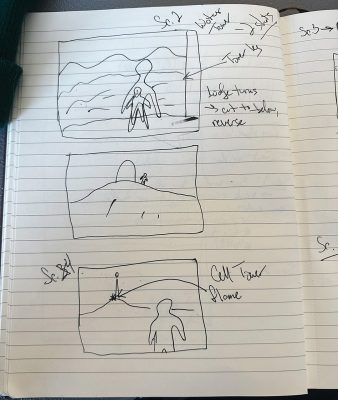
Director Ari Aster’s impromptu storyboards
The town also resonated thematically. Founded around 1916, it remains largely unchanged—an isolated pocket of life in the Chihuahuan Desert. Its historic core grew around a cluster of hot springs, followed by a wave of resort development. Much of the existing infrastructure dates to 1930’s WPA projects under Roosevelt’s New Deal. The historic nature of the downtown has been preserved largely because time and the economic forces that drive change and development have passed it by.
Sierra County has one of the lowest population densities in the country. Treeless desert mountains ring the town, offering long, unobstructed views. It feels exposed, vulnerable—a place where a group of saboteurs could invade and disruption could take hold quickly. There’s no suburban sprawl; the grid dissolves just a few blocks from the main drag, giving way to 50 miles of open desert. Opportunity is scarce. Many leave after high school graduation. It’s the kind of place where an unremarkable figure like Joe Cross (portrayed by Joaquin Phoenix) can consolidate power as sheriff.
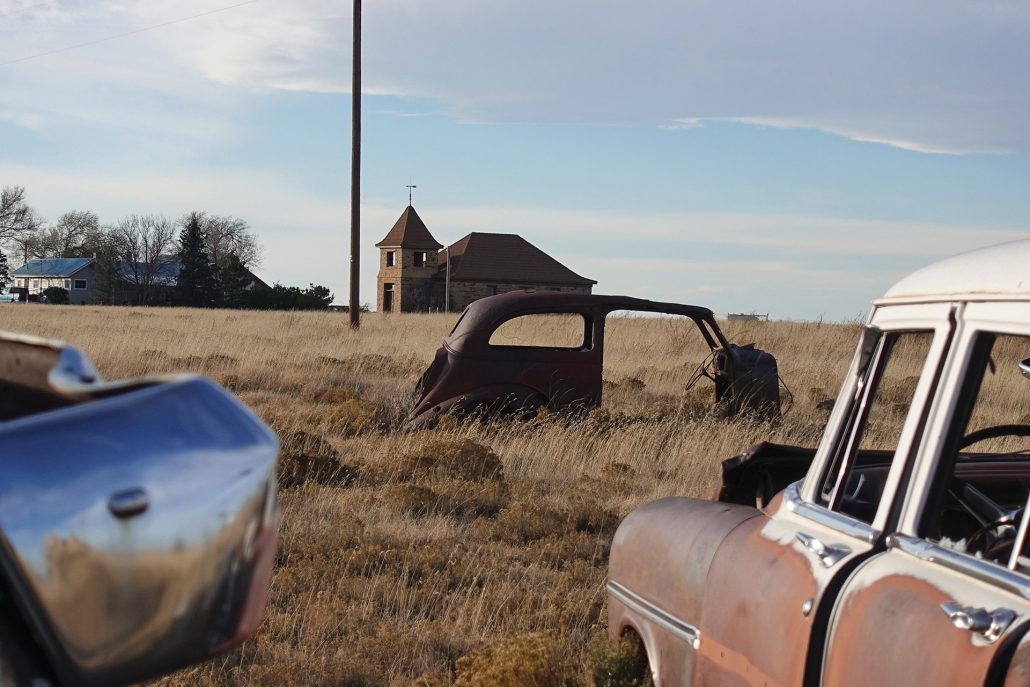 Against this backdrop, the film’s chaos lands harder: socially distanced lines outside grocery stores, smashed windows, protests, dumpster fires, sniper fire, total collapse. The environment mirrors the tension—hot, dry, and economically strained, yet edged by stark natural beauty, with a narrow ribbon of green tracing the river through the desert.
Before we committed, I called the local film liaison to make sure he thought the city had an appetite to host a film for six weeks. He said yes, and we took the plunge.
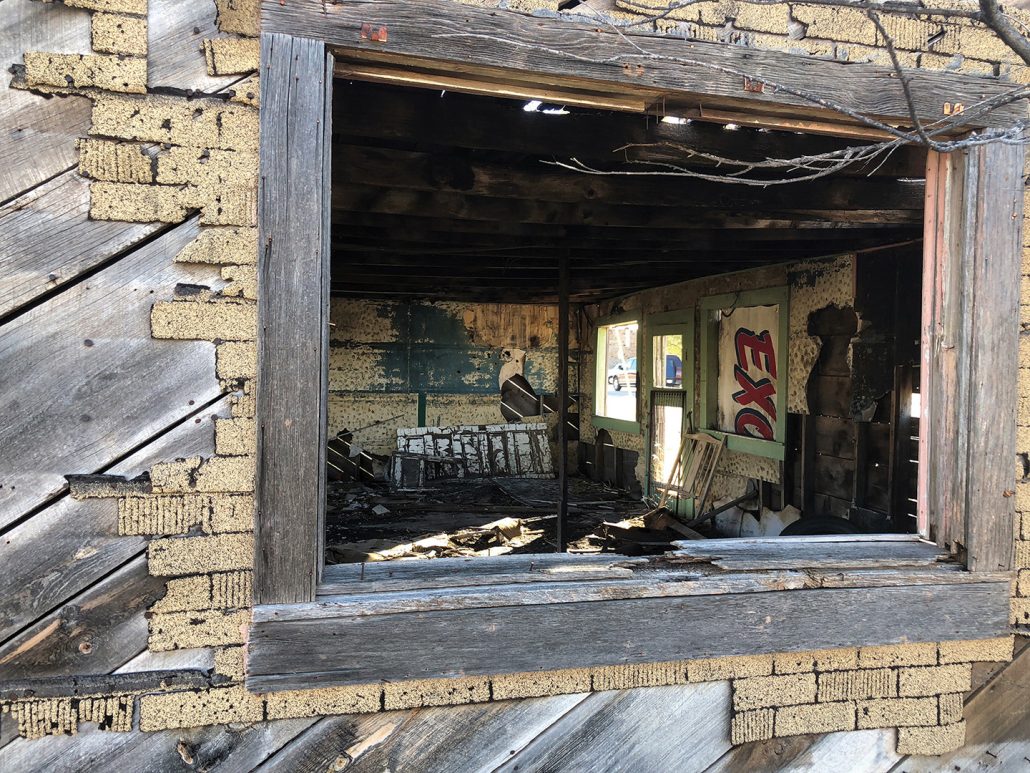 Operating two and a half hours from Albuquerque’s production hub brought a series of firsts. We rigged dozens of film lights to streetlamps, burned 50-foot-tall letters into the desert, and staged a multiday downtown action sequence with full-load machine gunfire. We were making a Western—showdowns unfolding along Broadway. Ari frequently framed shots straight down the main road, requiring the lockup of 10 consecutive, COVID-empty blocks and evoking the classic Western, High Noon.
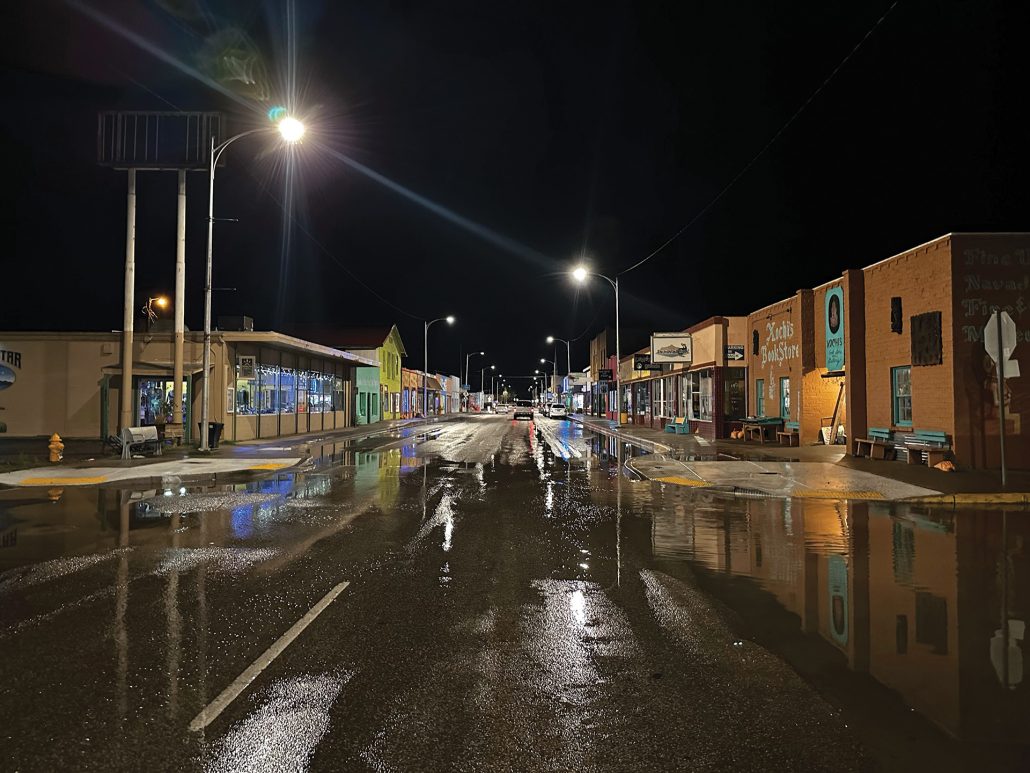
Downtown Eddington at night
Eddington became a wild ride through the desert night—and a reminder of what lies beyond New Mexico’s established production corridors. I have always loved scouting locations in the uplift zone, a new term we’ve coined recently from the recent incentive changes, which now include an additional 10% uplift for filming more than 60 miles from Albuquerque and Santa Fe. For the first time in years, it feels financially viable to look outward.
After 15 years of working within the creative constraints of the 30-mile zones around those hubs, this shift is significant. It opens the door to new landscapes, new communities, and locations that haven’t yet been shaped by production. With the added rebate helping offset travel and per diem, remote regions are no longer just creatively compelling—they’re more feasible. And for a location manager, that changes everything.
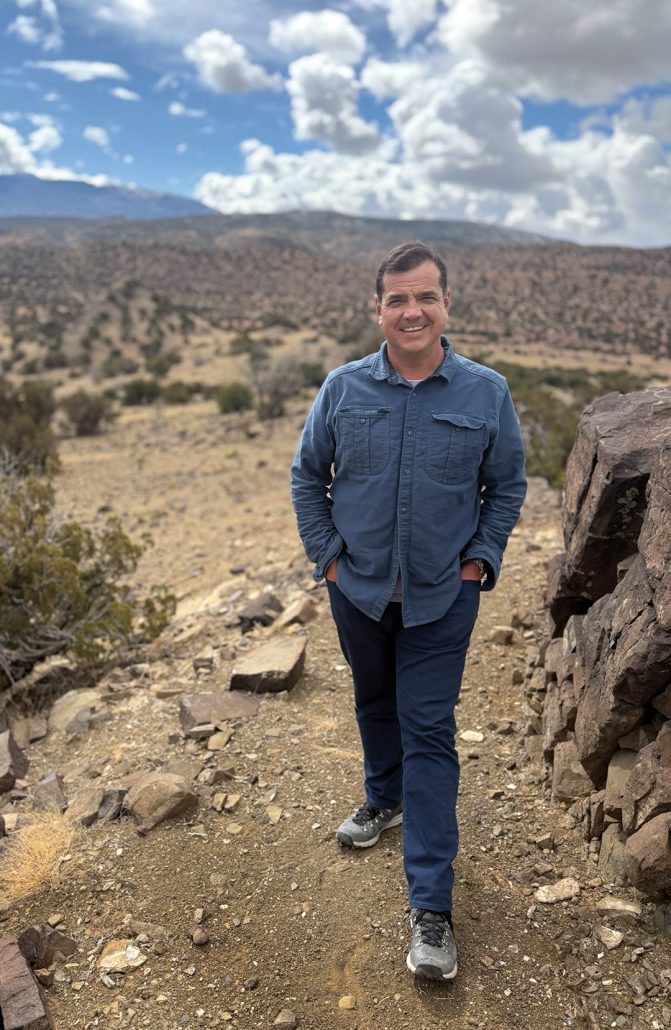
John Lucas/LMGI Photo courtesy of John Lucas/LMGI
EDDINGTON
LOCATION DEPARTMENT
LM John Lucas/LMGI
KALMs
Ehrin Davis/LMGI
Todd Spradlin
ALMs
Luke Hawthorne
Brody Pringle
Christina Lucas

Photographic image by Gregory Crewdson
Creating the “film within the film”
It was a wonderful surprise to learn that famed photographer Gregory Crewdson and his production team were coming to Truth or Consequences, NM, to create an image using Joaquin Phoenix’s sheriff character, Joe Cross, as the subject. It marked the first time Crewdson has created an original work for a film.
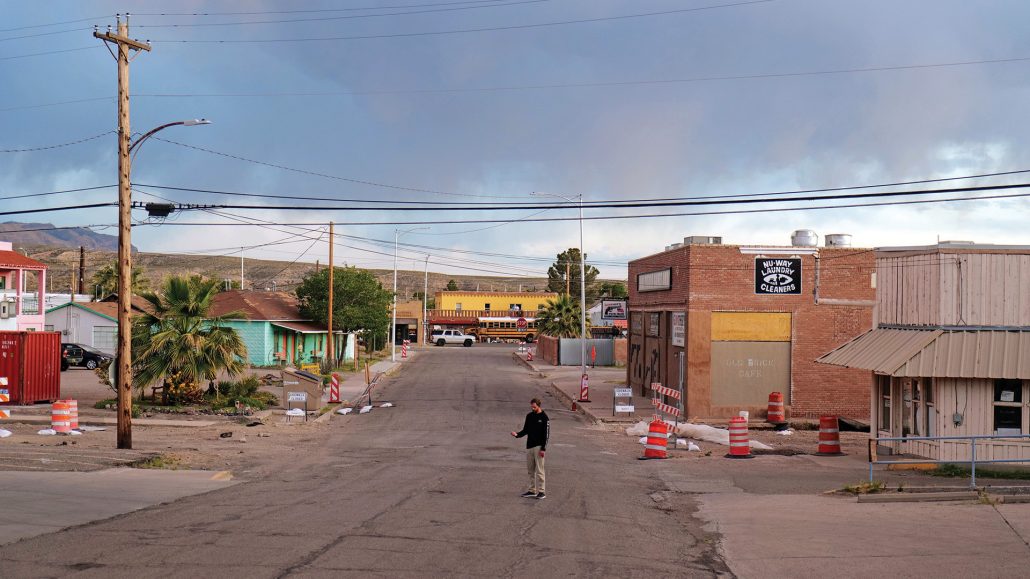
KALM Ehrin Davis/LMGI stands in for Joaquin Phoenix. Photo by John Lucas/LMGI
I’m a huge fan of Crewdson’s work. He and his team construct meticulously staged scenes, using large crews and cinematic techniques to create singular images. These tableaux often unfold on quiet, empty neighborhood streets. Crewdson frequently works in western Massachusetts, around Great Barrington—where I attended Simon’s Rock College of Bard. I enrolled at 16 and studied large-format photography at the small school, which has a student body of fewer than 300. Coincidentally, Harper Glantz from Crewdson’s production team also attended Simon’s Rock, as did my location assistant, Forrest Heidel.
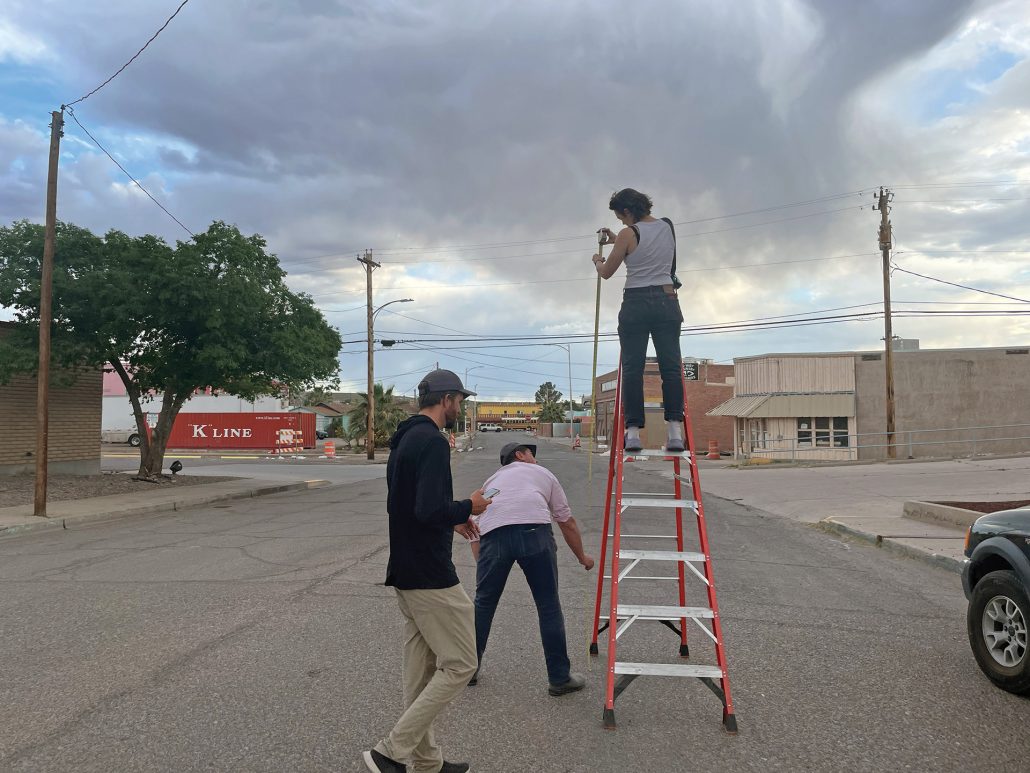
Ehrin Davis/LMGI & John Lucas/LMGI assisting Crewdson’s crew with prep.
Photo by Juliane Hiam
After surveying the city, Crewdson selected one of Eddington’s featured streets for the shoot. In preparation for the weekend, the Location Department coordinated with our rigging team to relocate condors and strike existing cable runs. KALM scout Ehrin Davis/LMGI assisted with the initial camera preparation and light studies, including standing in for Joaquin Phoenix. Our FX crew filled the street with atmospheric smoke, and we waited for the precise quality of evening light. Joaquin was then brought into position, standing alone in the street as a beam of light fell across his face and he looked skyward.
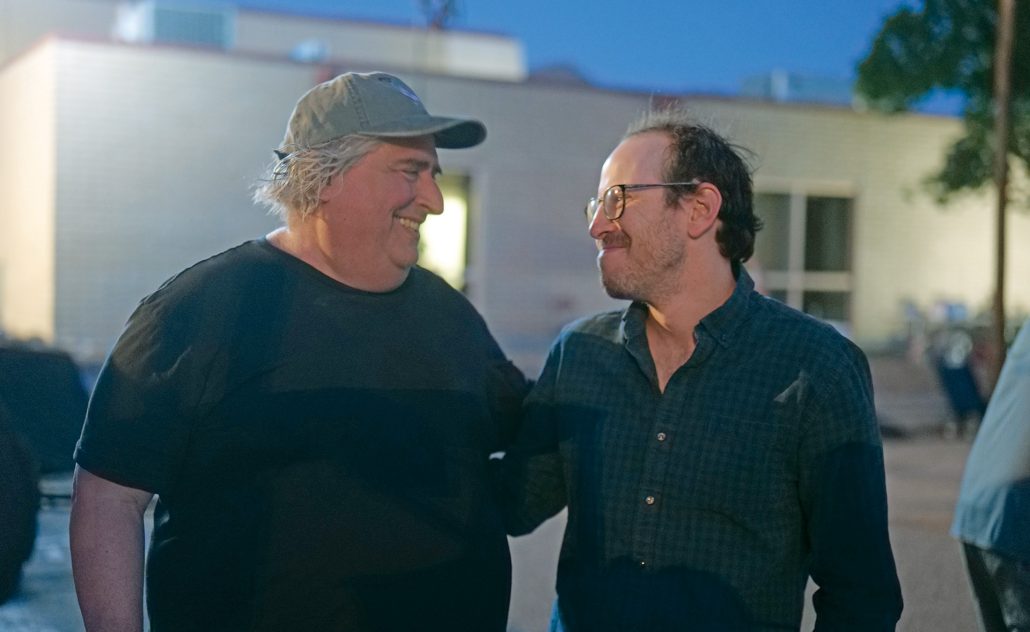
Photographer/artist Gregory Crewdson and director Ari Aster.
Photo by Harper Glantz
Crewdson’s DP, Richard Sands, captured more than 20 images, which were later composited into the final piece. The finished photograph was released by A24 as a limited-edition print.
Working on Crewdson’s “film within the film” was a rare experience, and a highlight of my time helping to bring Eddington to the screen.
To learn more about Gregory Crewdson’s extraordinary work please visit his substack